Why Aren’t You Losing Weight Even Though You’re Exercising?
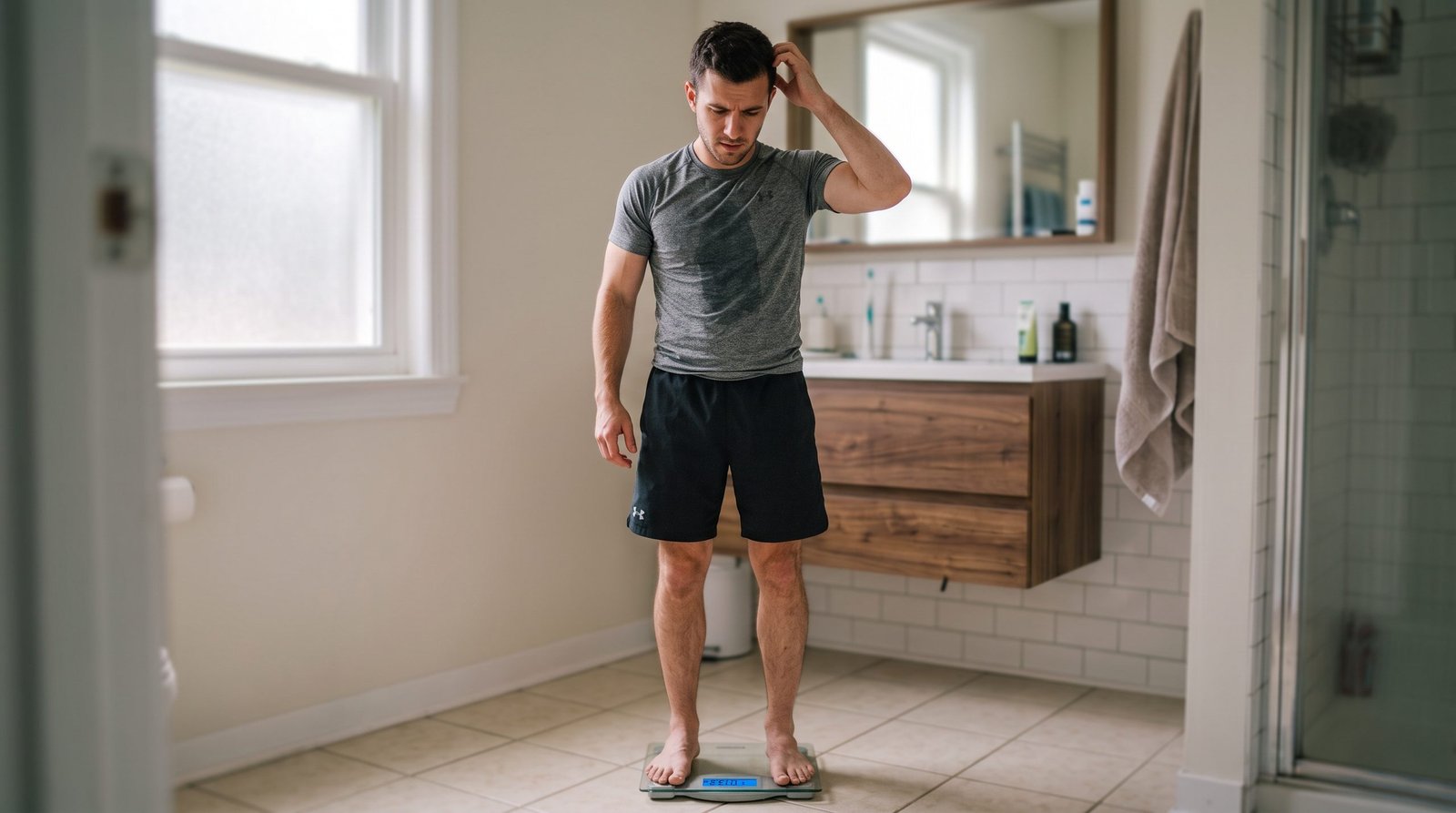
You’ve been hitting the gym four times a week for a month now. You’re eating better than you used to. And yet the scale keeps showing you almost the exact same number it did on day one.
It’s frustrating and it’s also one of the most common questions people ask when they start a fitness routine. The honest answer is that exercise is only one piece of a much bigger puzzle. Here’s what’s usually actually going on.
You’re probably eating back more than you burn
This is the single biggest reason people plateau. A 45-minute workout might burn 300-400 calories, but if you come home starving and eat a bigger dinner, add a snack an hour later, and finish with a sweetened drink, you can easily replace or exceed everything you just burned.
The fix isn’t to eat less across the board. It’s to actually pay attention for a week: write down what you eat, including the “small” stuff you don’t normally count. Most people are surprised by what shows up.
Healthy food still has calories

Peanut butter, nuts, olive oil, rice, dried fruit none of these are “bad” foods. But they’re calorie-dense, and it’s easy to eat more of them than you realize because they feel virtuous.
A homemade smoothie is the classic trap here. Milk, banana, oats, a scoop of peanut butter, a drizzle of honey that’s a genuinely nutritious drink that can also run 500-600 calories depending on portions. It’s not wrong to drink it. Just know what it costs you.
Liquid calories don’t register the way food does
Soda, sweetened coffee, juice, energy drinks these go down fast and don’t make you feel full, so they’re easy to forget when you’re mentally tallying your day. But your body counts them just the same.
You don’t have to cut everything out overnight. Swapping your default drink to water and treating sugary drinks as occasional rather than daily is usually enough to make a real dent.
You’re overestimating your workout burn
Gym equipment and fitness apps tend to be generous with their calorie estimates sometimes off by 20-30%. Actual burn depends on your body weight, effort level, and workout type, and it’s almost always less than the number flashing on the treadmill screen.
Exercise is still worth doing for your strength, heart health, and energy. Just don’t treat it as a blank check for the rest of your food choices.
You might be in a plateau, not a failure
If you lost weight steadily for a few weeks and then progress stalled, that’s not necessarily a sign your plan stopped working. As you lose weight, your body needs fewer calories to maintain itself so the same routine that worked at 180 lbs might just maintain you at 165 lbs.
This usually means it’s time for a small adjustment (slightly lower calories, or a bit more activity), not a complete overhaul.
The scale isn’t the whole story
If you’re strength training, you can lose fat and gain muscle at the same time and the scale might barely move while your body genuinely changes shape. Clothes fitting differently, your waist measurement shrinking, or lifting heavier weights than last month are all real progress markers the scale won’t show you.
Track more than just weight: a tape measure, progress photos every few weeks, or a simple log of your lifts can tell you more than the number under your feet.
Your all-day movement matters more than your workout
One hour of exercise followed by nine hours sitting at a desk still adds up to a mostly sedentary day. This is sometimes called NEAT (non-exercise activity thermogenesis), and it can make a bigger difference to your total calorie burn than people expect.
Small changes taking calls standing up, parking farther away, a 10-minute walk after dinner add up over weeks in a way one gym session can’t match.
Sleep is doing more than you think
Poor sleep affects hunger hormones, makes cravings harder to resist, and saps the energy you’d otherwise put into staying active. It’s easy to overlook because it doesn’t feel directly connected to weight, but it’s one of the most common hidden blockers.
Aim for a consistent sleep and wake time rather than a perfect number of hours consistency tends to matter more than chasing exactly 8 hours.
You may just need more time
Body weight fluctuates day to day because of water retention, digestion, sodium intake, and hormonal cycles none of which reflect actual fat loss or gain. A single “bad” morning on the scale means very little on its own.
Look at your weight trend over 3-4 weeks instead of day to day. That’s a far more honest picture of what’s actually happening.
What to actually do about it
Before overhauling your diet or workout, spend a week just observing:
- Are your portions bigger than you think?
- How many sugary drinks are you actually having?
- Are you consistent with workouts, or is it hit-or-miss?
- How much of your day is spent sitting?
- Are you sleeping enough?
- Has your current routine had enough time to work?
You don’t need to track every calorie forever just enough to see your real patterns clearly.
When to see a doctor
Sometimes weight resistance isn’t about habits at all. Certain medications, thyroid issues, PCOS, and other hormonal conditions can make weight loss genuinely harder regardless of diet and exercise. If you’ve been consistent for months with no movement, or you’re noticing other symptoms, it’s worth getting checked rather than assuming you’re doing something wrong.
The bottom line
Exercise alone rarely explains weight loss or the lack of it. Portions, drinks, sleep, daily movement, and normal weight fluctuation all play a role and a plateau is often just a sign your body adapted, not that you failed.
Keep the routine simple enough that you can actually stick with it for months. That consistency will get you further than any extreme plan you can only manage for two weeks.
Frequently Asked Questions
Q1: How long does it usually take to see weight loss results from exercise?
Most people start noticing real changes after 4-6 weeks of consistent exercise and eating habits, though the scale itself can lag behind muscle gain, water retention, and daily fluctuations often hide progress in the first few weeks. Give any new routine at least a month before judging whether it’s working.
Q2: Can you gain muscle and lose fat at the same time, even if the scale doesn’t move?
Yes, especially if you’re new to strength training or returning after a break. This is often called “body recomposition” your weight stays roughly the same while your body fat percentage drops and muscle mass increases. Measurements, progress photos, and how your clothes fit are better indicators than the scale during this phase.
Q3: Why did I lose weight quickly at first and then stop?
This is a normal weight-loss plateau. As you lose weight, your body requires fewer calories to function, so the same calorie deficit that worked initially eventually becomes your new maintenance level. A small adjustment slightly reducing calories or increasing activity is usually enough to restart progress.
Q4: Does not sleeping enough really affect weight loss?
Yes. Poor sleep disrupts hunger hormones (ghrelin and leptin), increases cravings for high-calorie food, and lowers your energy for staying active during the day. Consistently getting 7-9 hours can make a noticeable difference even without changing your diet or workout.
Q5: How many calories does exercise actually burn?
It varies a lot based on your body weight, workout intensity, and duration, but most people burn fewer calories than gym equipment or fitness apps display often 20-30% less. A 30-minute moderate workout typically burns somewhere between 150-400 calories depending on the activity and individual.
Q6: Is it normal for my weight to change from day to day?
Yes, completely normal. Daily weight fluctuations of 1-3 pounds are usually caused by water retention, sodium intake, digestion, and hormonal changes not actual fat gain or loss. It’s better to track your weight trend over 2-4 weeks rather than reacting to single-day changes.
Q7: Should I eat back the calories I burn during a workout?
Generally, no most calorie targets already account for a moderate activity level. Eating back workout calories often leads to unintentionally canceling out your deficit, which is one of the most common reasons people don’t see results despite exercising regularly.
Q8: When should I see a doctor about weight loss that isn’t working?
If you’ve been consistent with diet and exercise for several months with no progress at all, or you’re experiencing other symptoms like fatigue, hair loss, or irregular periods, it’s worth getting checked. Conditions like thyroid issues, PCOS, or certain medications can make weight loss significantly harder regardless of effort.