Weight Loss Diet Plan for Beginners (Easy & Healthy Guide 2026)
Weight Loss Diet Plan for Beginners
So you want to lose weight, but you’re not sure where to start. That’s a pretty common place to be. One day someone tells you to cut carbs entirely, the next you’re reading about juice cleanses or skipping meals just to see the number on the scale drop faster. If you’re new to all this, it’s easy to feel stuck before you’ve even taken your first real step.
Here’s the part nobody tells you enough: a good weight loss diet plan doesn’t need to be complicated or miserable to actually work. At its core, healthy weight loss boils down to a handful of simple habits. Eat the right foods in reasonable amounts, stay consistent, and pick a routine you can live with for more than a couple of weeks.
This guide breaks down what a weight loss diet plan actually looks like when you’re just getting started. We’ll cover the basics of a calorie deficit, talk about which weight loss foods are worth building your meals around, and help you put together a plan that fits your life, whether you’re in Lahore, London, or anywhere in between. No fad diets, no extreme rules. Just steps that make sense.
Quick Answer
Losing weight, at its most basic level, means eating a little less energy than your body burns. That gap is called a calorie deficit, and it’s the reason weight loss happens at all, regardless of which diet trend happens to be popular right now.
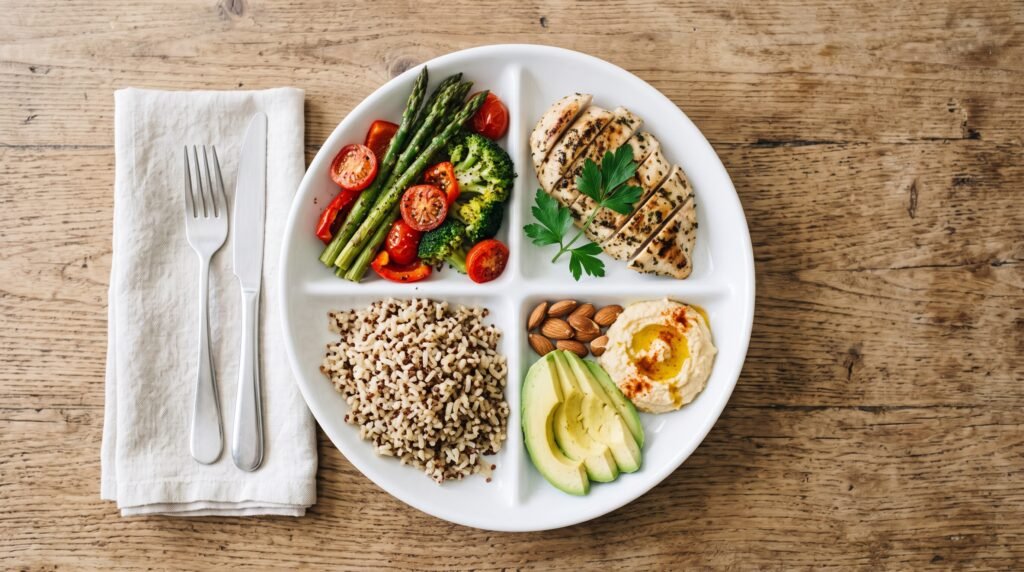
A healthy approach to this doesn’t mean starving yourself or cutting your meals down to almost nothing. It means picking foods that keep you full, give you steady energy, and cover your nutritional bases, while still landing a bit under what your body burns each day. Lean proteins, vegetables, fruits, whole grains, and healthy fats, all in portions that match your goals, form the backbone of this.
There isn’t one perfect formula that works for everybody. Some people thrive on three solid meals a day; others do better with smaller meals spread out more often. What actually moves the needle is consistency, a moderate deficit, and food choices you can stick with well beyond the first few weeks.
How Does Weight Loss Actually Work?
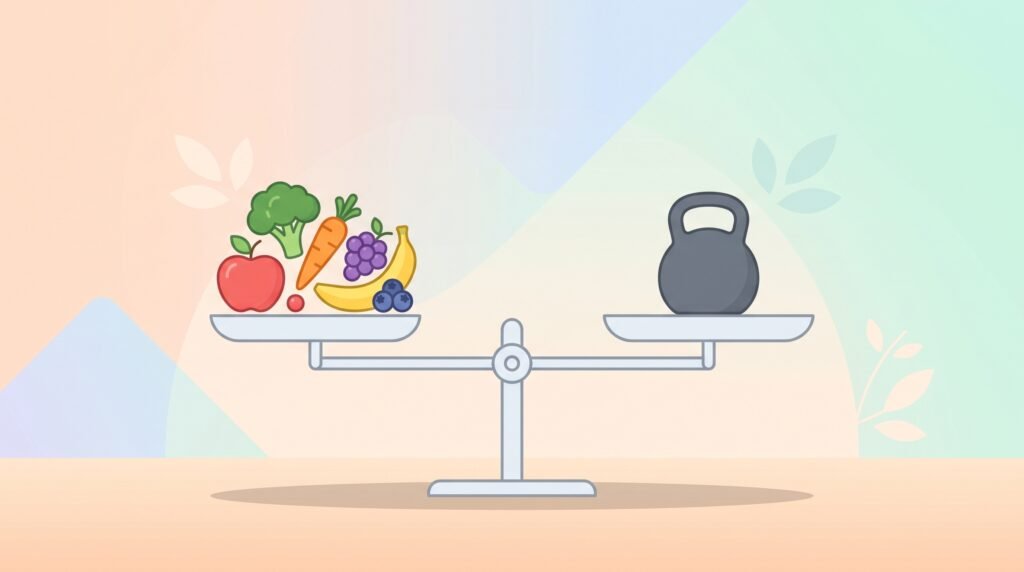
Before we get into meal plans and food lists, it helps to understand what’s happening in your body when weight comes off. Once this makes sense, everything else about dieting gets a lot easier to follow.
It All Comes Down to Energy Balance
Picture your body as a kind of energy account. Every day, you make deposits through the food and drinks you consume. And every day, your body makes withdrawals just by keeping you alive, moving, thinking, digesting, all of it.
When you eat more energy than your body uses, the extra gets stored, mostly as fat. When you eat less, your body dips into those stored reserves to cover the difference. That gap between what you eat and what you burn is the calorie deficit, and it’s the driving force behind nearly all weight loss.
You don’t need a massive deficit to see change, either. A small, steady gap kept up over weeks and months tends to beat a drastic one that fizzles out after a few days, which is usually how crash diets end anyway.
What About Metabolism?
Metabolism is just the process your body uses to turn food into usable energy. People love talking about having a “fast” or “slow” metabolism, but really it’s about how much energy your body burns at rest, just breathing, digesting, and keeping your heart going.
This resting energy use, sometimes called your base metabolic rate, actually accounts for the biggest chunk of calories you burn in a day, more than exercise does for most people. Age, muscle mass, and body size all shape what that number looks like for you specifically.
Here’s some good news, though: building a bit of muscle through regular movement can support your metabolism over time, since muscle tissue burns more energy than fat tissue, even when you’re doing nothing but sitting on the couch.
Where Physical Activity Fits In
Exercise isn’t only about the calories you torch during a workout, though that’s obviously part of the picture. Moving your body regularly, whether that’s walking, lifting weights, cycling, or just tackling household chores, adds to your overall energy use and helps widen that calorie gap we talked about.
And you really don’t need hours in a gym to make this count. A daily walk, taking the stairs instead of the lift, or a short home workout can add up more than people expect. Showing up consistently matters far more than pushing yourself hard for one intense session and then quitting.
Activity also does something diet alone can’t manage on its own: it helps you hold onto muscle while you lose fat, so you end up looking and feeling strong rather than just smaller.
Putting It All Together
So, in short: weight loss happens when you eat a bit less than your body needs, your metabolism quietly handles the background work of keeping you running, and physical activity gives the whole process an extra push. None of these pieces work alone. They work together, and getting that idea to click is really the first step toward a plan that fits your actual life.
Foods to Eat for Healthy Weight Loss
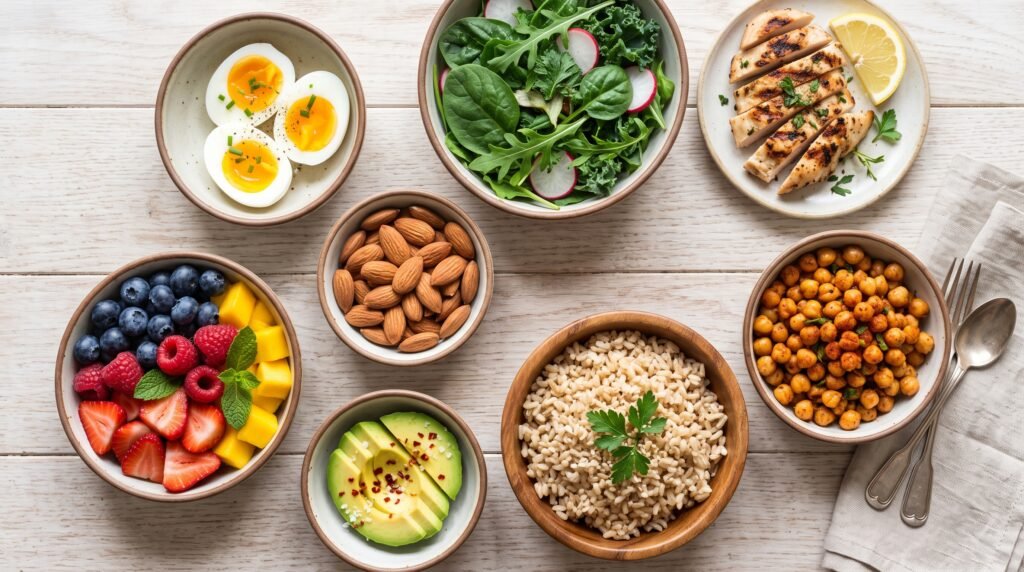
Picking the right foods matters more than obsessing over numbers. Some foods keep you satisfied for hours; others leave you hunting for a snack twenty minutes later. Here’s what’s worth building your plate around.
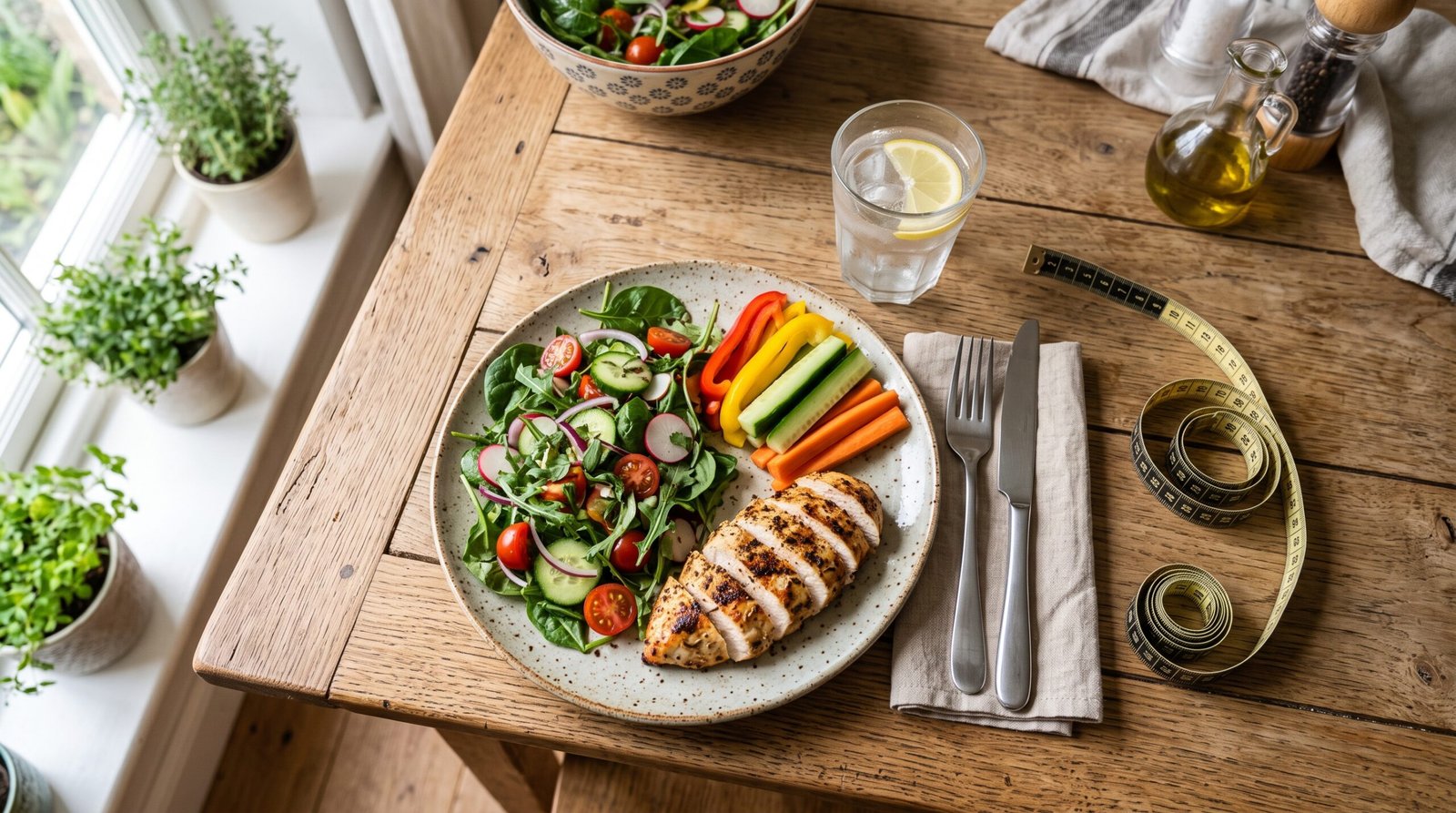
- Lean protein sources – Protein keeps you full longer and helps protect your muscles while you’re losing weight. Chicken breast, fish, eggs, lentils, chickpeas, tofu, and low-fat dairy like yogurt or paneer are all solid choices.
- Vegetables of all kinds – Vegetables are low in calories but take up a lot of space on your plate, so you can eat a genuinely filling amount without blowing your calorie budget. Spinach, broccoli, carrots, cauliflower, and bell peppers work in almost any meal.
- Whole fruits – Apples, oranges, berries, bananas, and pears bring natural sweetness along with fiber and vitamins. They make a far better answer to a sugar craving than reaching for something processed.
- High-fiber foods – Fiber slows digestion and helps you feel satisfied after eating. Oats, brown rice, whole wheat roti, beans, and vegetables are all worth having on a regular basis.
- Healthy fats in moderation – Fats from nuts, seeds, olive oil, and avocado support basic bodily functions and make meals feel more satisfying. A small handful of almonds or a drizzle of olive oil on a salad does a lot of work.
- Whole grains over refined ones – Swapping white rice or white bread for brown rice, whole wheat, or quinoa can help you stay full longer, since whole grains digest more slowly than their refined counterparts.
- Water and hydration – This one gets overlooked constantly, but drinking enough water supports digestion and helps you avoid mistaking thirst for hunger. Plain water, infused water, or unsweetened tea all count.
None of this needs to be followed with military precision. The idea is just to build most of your meals around these foods, so you’re naturally eating in a way that supports your goals, without it feeling like a constant fight against yourself.
Foods to Limit
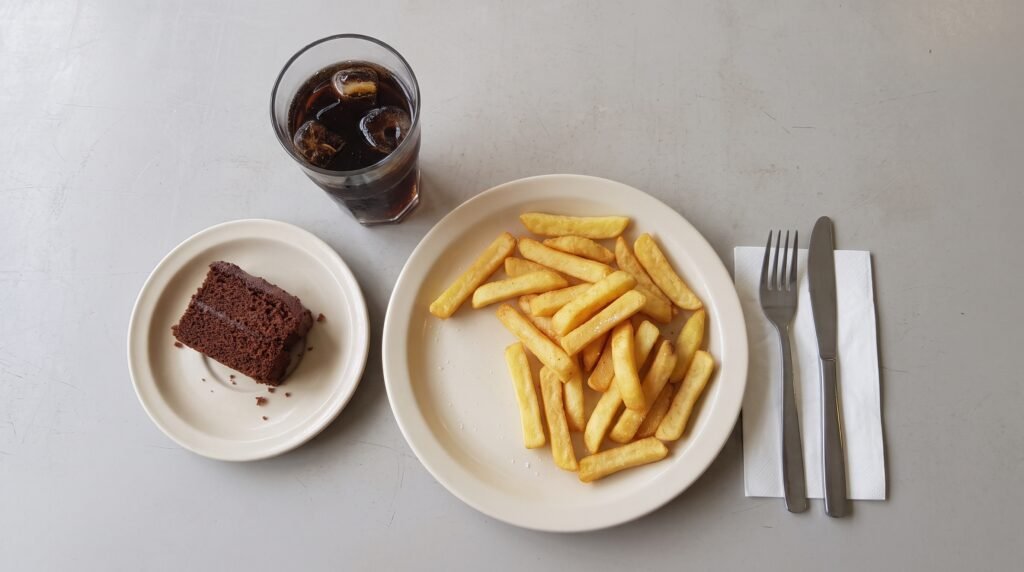
Nothing here needs to disappear from your life completely. It’s more about staying aware of a few foods that can quietly undo your progress if they show up too often or in oversized portions.
- Sugary drinks – Sodas, sweetened juices, and flavored beverages can pack in a surprising number of calories without doing much to fill you up. Since liquid calories don’t satisfy hunger the way food does, it’s easy to drink far more than you realize.
- Ultra processed foods – Packaged snacks, instant noodles, and ready-made meals are often engineered to taste extra good, which makes it harder to stop at a reasonable portion. They also tend to offer less nutritional value than fresh, whole foods.
- Excess sugar – Sweets and desserts aren’t banned forever, but eating them often can make it tougher to stay in a calorie deficit, since sugar adds calories fast without bringing much nutrition along with it.
- Deep fried foods – Fries, pakoras, and other fried snacks tend to be high in calories because of all the oil involved in cooking them. Having them once in a while is fine; making them a daily habit tends to slow things down.
- Large portion sizes – Even genuinely healthy meals can add up if the portions are too generous. Overeating nutritious food is still overeating, and it can leave you with more calories than your body actually needs.
None of this is about guilt. It’s simply about keeping these foods as an occasional part of your week rather than a daily default, so they don’t end up quietly working against you.
7-Day Beginner Weight Loss Diet Plan
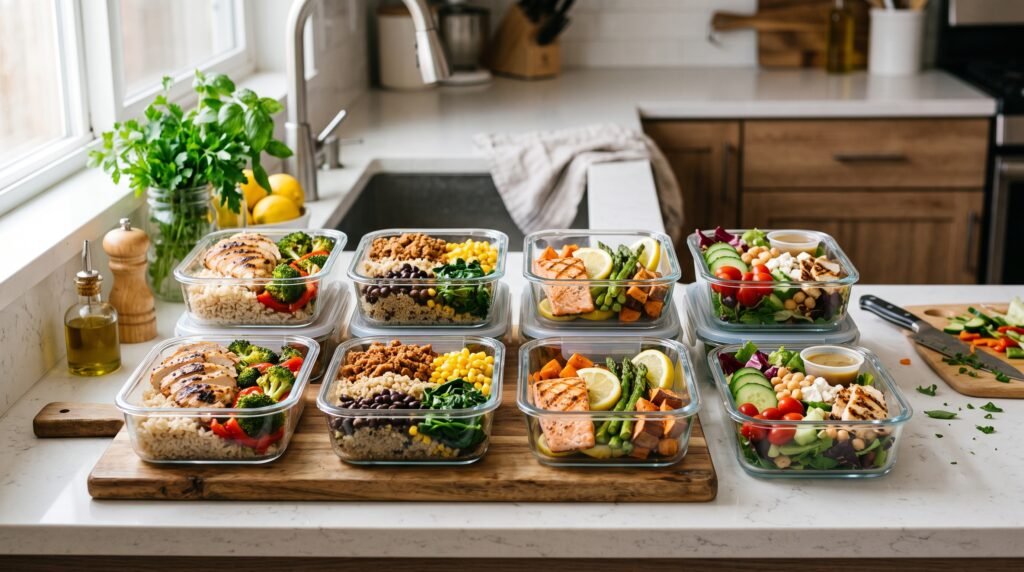
This plan sticks to simple, everyday foods you can find pretty much anywhere. Feel free to shuffle meals around based on what’s in your kitchen or what you’re actually in the mood for. Think of it as a realistic starting point, not a rulebook you have to follow to the letter.
Day 1
- Breakfast: Two boiled eggs with a slice of whole wheat toast
- Lunch: Grilled chicken with brown rice and a side of mixed vegetables
- Dinner: Lentil soup (daal) with one roti and a small salad
- Snack: A handful of almonds or an apple
Day 2
- Breakfast: Oatmeal topped with banana slices
- Lunch: Chickpea salad with cucumber, tomato, and a drizzle of olive oil
- Dinner: Grilled fish with steamed vegetables
- Snack: Plain yogurt with a few berries
Day 3
- Breakfast: Vegetable omelet with one slice of toast
- Lunch: Whole wheat roti with a vegetable curry (bhindi, karela, or mixed veg)
- Dinner: Grilled chicken breast with a side salad
- Snack: A small bowl of roasted chickpeas
Day 4
- Breakfast: Greek yogurt or plain dahi with a spoon of honey and some nuts
- Lunch: Brown rice with lentils and sautéed spinach
- Dinner: Baked or grilled fish with a side of steamed carrots and broccoli
- Snack: One orange or a handful of grapes
Day 5
- Breakfast: Two eggs, boiled or scrambled, with fresh fruit on the side
- Lunch: Grilled chicken wrap using whole wheat bread and salad vegetables
- Dinner: Vegetable and lentil soup with a small portion of brown rice
- Snack: A few walnuts or almonds
Day 6
- Breakfast: Oatmeal with a spoon of peanut butter
- Lunch: Chicken and vegetable stir fry with a small portion of rice
- Dinner: Grilled paneer or tofu with a side salad
- Snack: Sliced cucumber and carrot sticks
Day 7
- Breakfast: Whole wheat toast with mashed avocado
- Lunch: Fish curry with a small portion of brown rice and vegetables
- Dinner: Grilled chicken with roasted vegetables
- Snack: A piece of fruit or plain yogurt
Try to keep water going throughout the week and treat portions with moderation rather than strict restriction. Use this plan as a flexible guide you can bend to fit your taste, your budget, and whatever your week actually looks like.
Common Weight Loss Mistakes
Even with good intentions, it’s easy to fall into habits that quietly slow you down. Here are some of the most common ones beginners run into, and why they tend to backfire.
1. Cutting calories too drastically
Eating far too little might sound like a shortcut to faster results, but it usually does the opposite. Your body can start conserving energy, you end up exhausted or irritable, and sticking with the plan becomes a lot harder than it needs to be.
2. Skipping meals
Skipping breakfast or lunch to “save calories” often just sets you up to overeat later in the day. Spreading balanced meals throughout the day tends to work better than arriving at dinner starving.
3. Relying only on cardio
Cardio has a place, sure, but leaning on it exclusively while skipping strength training can mean losing muscle right along with the fat. A bit of strength work helps you keep a healthier body composition as the weight comes off.
4. Not eating enough protein
Protein does a lot of heavy lifting when it comes to feeling full and preserving muscle during weight loss. Skimp on it, and you’re likely to feel hungrier throughout the day, which makes staying consistent that much harder.
5. Expecting fast results
Weight that drops off too quickly is usually hard to keep off, and it can leave you discouraged once progress naturally slows down. Gradual, steady change tends to stick around a lot longer than anything dramatic.
6. Ignoring portion sizes
Even healthy food adds up if you’re not paying attention to how much of it you’re eating. Something as simple as switching to a smaller plate or eating a bit more mindfully can make a real difference over time.
7. Drinking calories without realizing it
Juices, sodas, and sweetened coffee drinks sneak in a lot of hidden calories over the course of a day. Since they don’t fill you up the way solid food does, it’s easy to take in more than you meant to.
8. Not tracking progress properly
Leaning only on the scale can be misleading, since your weight naturally shifts from day to day. Paying attention to how your clothes fit or how you’re feeling overall usually gives a more honest picture.
9. Following extreme diets
Very restrictive diets might deliver quick results on paper, but they’re tough to sustain and often lead to regaining the weight once you go back to eating normally. A balanced, moderate approach tends to hold up better over time.
10. Giving up after a slow week
Weight loss isn’t a straight line, and some weeks will show less progress than others, that’s just how it goes. Staying consistent through the slower stretches is usually what separates lasting results from quitting too early.
Frequently Asked Questions

1. How much weight can I safely lose in a month?
Healthy weight loss tends to happen gradually rather than all at once. Many health professionals point toward a moderate, steady pace instead of rapid weight loss, since slower progress is generally easier to maintain long term. The right amount varies from person to person, depending on things like starting weight, activity level, and overall health. Rather than fixating on a specific number, it helps to focus on consistent habits, like eating balanced meals and staying active. Over time, these smaller changes tend to add up to something meaningful without feeling extreme.
2. Do I need to count calories to lose weight?
Not necessarily, but it can be a genuinely useful tool, especially early on while you’re still learning what portion sizes actually look like. Some people track for a few weeks to build awareness and then ease off once it clicks. Others prefer a more intuitive route, like filling half the plate with vegetables and simply keeping an eye on portions. Both approaches can work, so it really comes down to what feels doable for your lifestyle and personality.
3. Can I lose weight without exercising?
Yes, diet alone can get you there, since a calorie deficit is really the main driver behind weight loss. That said, adding some form of movement, even a daily walk, can support your progress and bring other benefits, like better energy. Exercise also helps you hold onto muscle while losing fat, which can make a real difference in how your body looks and feels once the weight starts coming off. It’s not required, but it’s worth including in some form.
4. Is it okay to eat carbs while trying to lose weight?
Definitely. Carbs don’t need to disappear for weight loss to happen. What matters more is the type and the amount. Whole grains, fruits, and vegetables bring fiber and nutrients that support your goals, while refined carbs like white bread or sugary snacks are better kept occasional. Cutting carbs out entirely usually makes a diet harder to sustain, particularly for beginners. A balanced approach that still includes good carb sources tends to hold up better in the long run.
5. How long before I start seeing results?
This varies a fair bit from person to person, depending on your starting point, consistency, and lifestyle. Some people notice small shifts within the first couple of weeks, like feeling less bloated or having more energy, while visible changes in weight or shape usually take longer. Slow progress at the start is completely normal. What matters more than expecting quick wins is staying consistent with your eating and activity over several weeks.
6. Should I avoid eating after a certain time at night?
There’s no hard rule that eating late automatically leads to weight gain. Your total intake across the whole day matters far more than the exact time you eat. That said, some people find a lighter evening meal helps them avoid mindless snacking before bed. If late-night eating tends to steer you toward poor choices, adjusting your timing might help, but it isn’t a requirement for everyone.
7. Can I still eat my favorite foods while losing weight?
Yes, and cutting them out entirely often backfires anyway, since total restriction is hard to sustain. Moderation and portion control tend to work better than an all-or-nothing approach. Letting yourself enjoy favorite foods now and then, in reasonable amounts, can actually make it easier to stick with healthier habits overall. Overly strict diets tend to breed cravings and eventual overeating, while a balanced approach with the occasional treat feels a lot more realistic long term.
8. Is breakfast really the most important meal of the day?
Not really, despite what the old saying claims. What matters more is your overall eating pattern across the whole day. Some people function best with breakfast, others prefer to skip it and eat later. If skipping breakfast leads you to overeat afterward, it’s probably worth including. Ultimately, the right choice depends on whatever keeps you satisfied and consistent through the day.
9. Do I need supplements to lose weight?
No, supplements aren’t necessary and shouldn’t stand in for a balanced diet. Whole foods generally cover what your body needs when your eating is varied and reasonably balanced. Some people use supplements to fill specific gaps, but that’s a conversation better had with a healthcare provider than assumed on your own. Whole foods, enough protein, and steady habits matter far more than anything in a bottle.
10. What should I do if my weight loss stalls?
Plateaus are common, and hitting one doesn’t necessarily mean something’s gone wrong. Taking another look at portion sizes, activity levels, and overall consistency can help you spot what needs adjusting. Sometimes your body just needs a bit of time to catch up before continuing to change. Staying patient and steady, rather than reacting with drastic changes, usually pays off better in the long run.
Conclusion
Losing weight doesn’t have to feel like some complicated puzzle you’re missing the pieces to. At its core, it comes down to eating a bit less than your body needs, choosing foods that keep you full and nourished, and staying consistent over time. Extreme diets and rigid rules aren’t required to see progress.
Everything shared in this guide is meant to give you a practical starting point, not a set of instructions you need to follow flawlessly. Some weeks will go smoothly, others will feel slower or harder, and that’s a completely normal part of the process.
What matters most is building habits you can genuinely keep up: cooking more balanced meals, staying active in ways that don’t feel like a chore, or simply paying a little more attention to what and how much you’re eating. Small, steady changes tend to add up more than short bursts of extreme effort ever do.
If you’re just starting out, go easy on yourself. Progress won’t always come fast, but staying consistent, over time, is really what makes the difference.
Verified High-Authority Sources
1. NHS (UK) — How to Lose Weight
This page covers making small changes to eating and drinking habits, staying active for 150 minutes a week, and getting 5 portions of fruit and vegetables a day
2. NHS — Better Health, Lose Weight
This resource covers calorie counting, healthy diets, and recipes, along with advice on exercise and sleep’s role in weight management
3. Mayo Clinic — Weight Loss Basics
Mayo Clinic’s guidance emphasizes skipping fad diets in favor of healthy eating and exercise habits as the sustainable way to lose weight and keep it off
4. World Health Organization — Healthy Diet Fact Sheet
WHO’s fact sheet explains that healthy diets help protect against malnutrition and noncommunicable diseases, and outlines four core principles: adequacy, balance, moderation, and diversity
5. WHO — Healthy Diet: Keys to Eating Well (good for the “foods to limit” section)
This page recommends limiting soft drinks and sugary beverages, and choosing fresh fruit over sweet snacks like cookies and cakes